Equitorial
Green Farm
Dealers & Farmers of Premium Kenyan Tea and Coffee
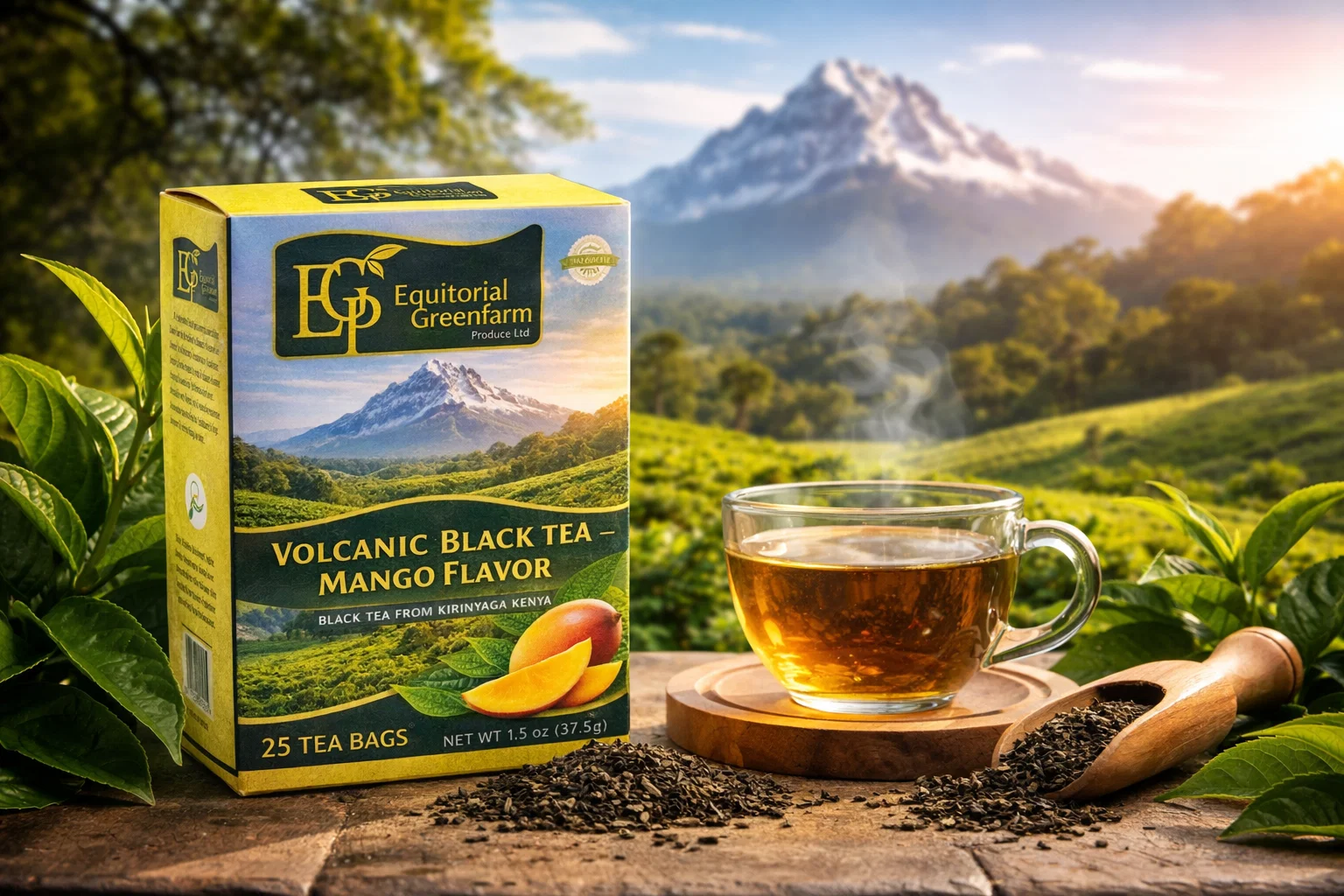
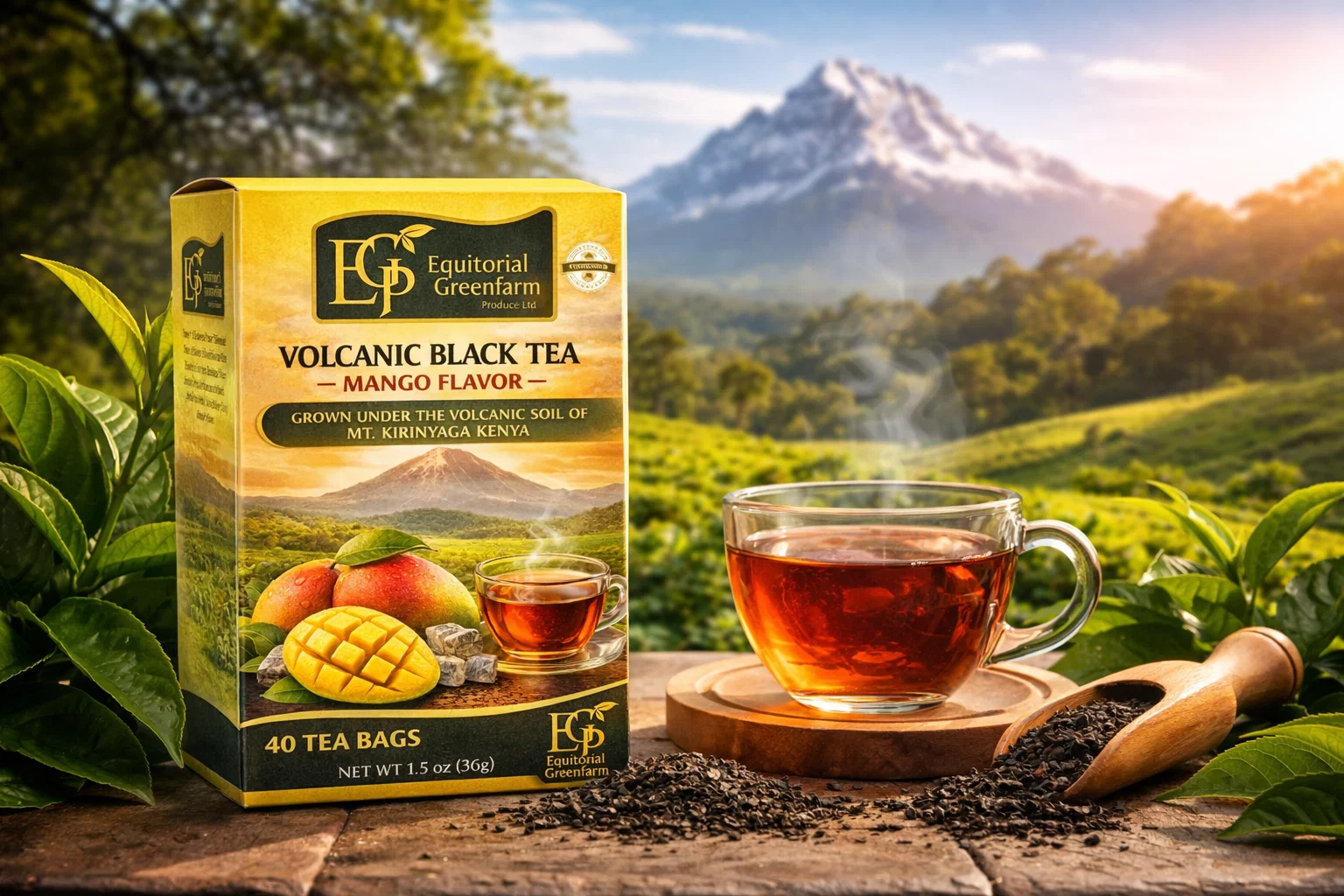
Volcanic Black Tea
Mango Flavor
A sweet and velvety Grand Cru black tea grown in Kenya’s mineral-rich volcanic soils and delicately infused with natural mango flavor.
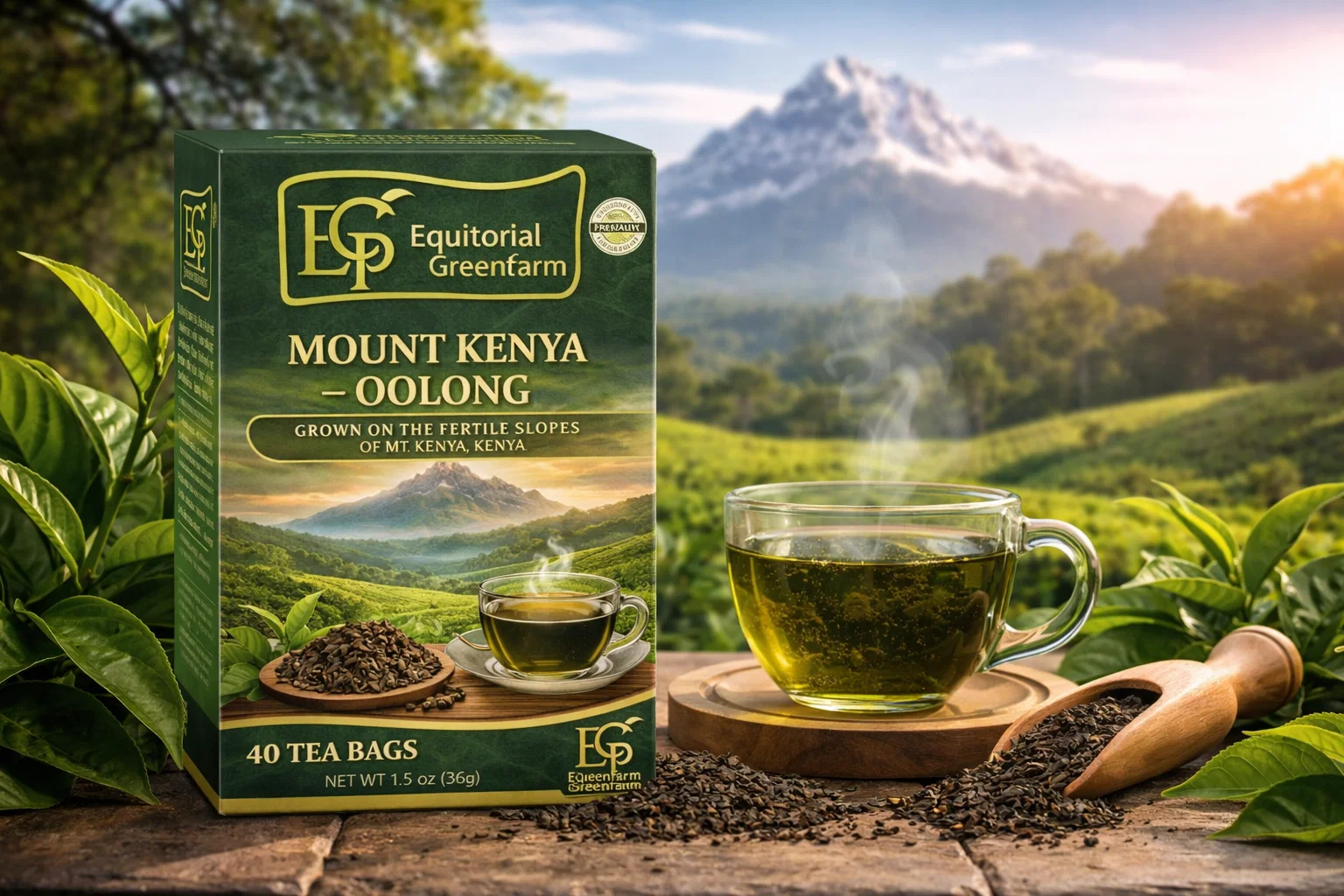
Mount Kenya
Oolong
A sweet and velvety Grand Cru black tea grown in Kenya’s mineral-rich volcanic soils and delicately infused with natural mango flavor.
Welcome to Equitorial Greenfarm Produce Ltd
Equitorial Greenfarm Produce Ltd is a Kenyan-based grower and supplier of premium specialty teas cultivated in the fertile volcanic soils of Kirinyaga and Mount Kenya.
We are proud dealers and farmers of high-quality Kenyan tea and coffee, supplying international markets with export-grade products that meet stringent global food safety standards.
Our teas are grown at high altitude, hand-selected, and processed under controlled conditions to preserve their natural aroma, flavor, and nutritional integrity.
All our products are inspected according to EU regulations on plant-protection and food safety standards, ensuring purity, traceability, and international compliance.
Tea Blends in Kenya
Did you know that there are very many types of tea....
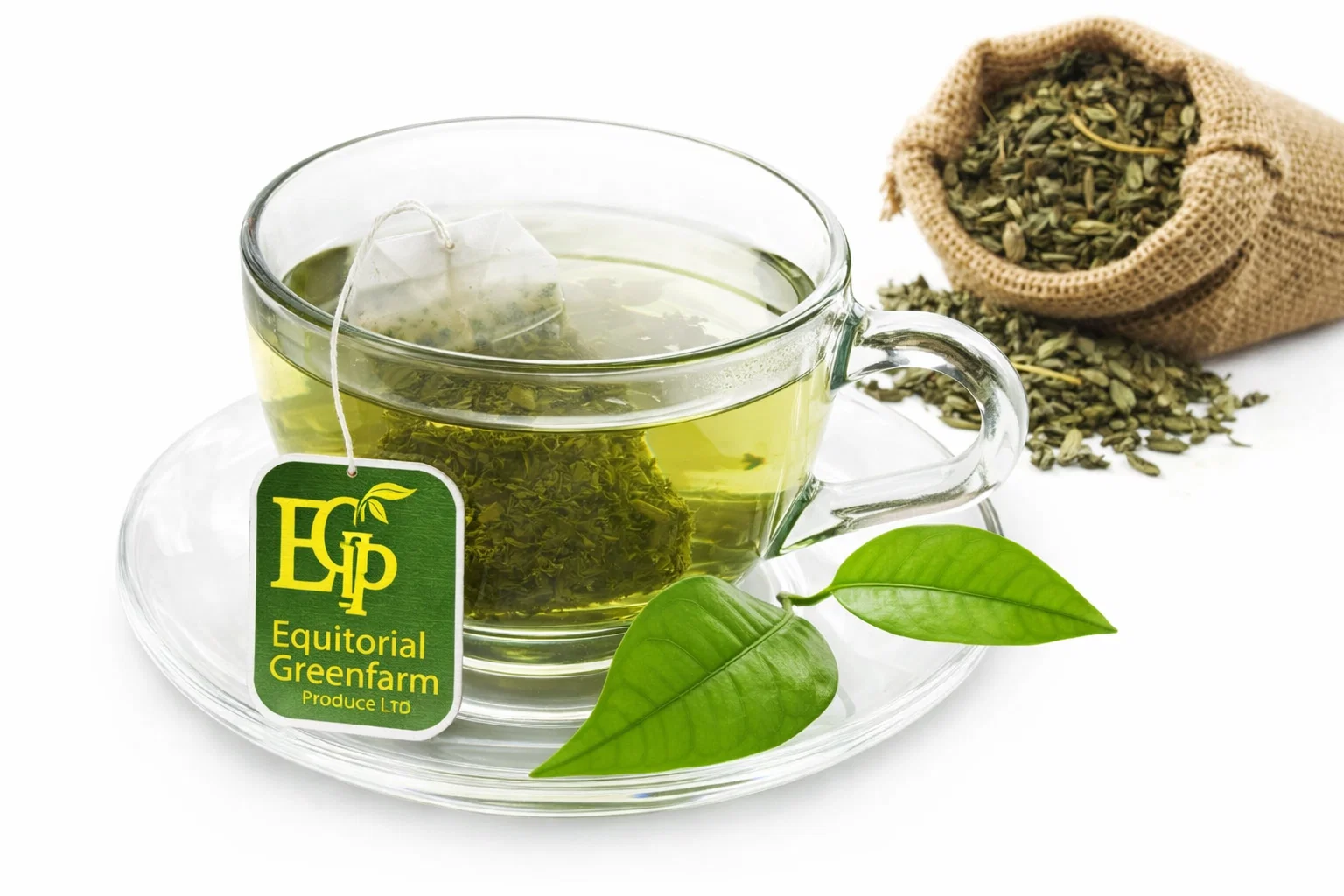
Green Tea
Green tea is a type of tea that is made from Camellia sinensis leaves that have not undergone the same withering and oxidation process used to make oolong and black tea. Green tea originated in China, but its production has spread to many countries in Asia and Africa.

Purple Tea
A unique polyphenol. Purple tea has substantially more polyphenols than green or black teas. (16.5 percent, compared to 10.1 percent for black tea and 9.1 percent for green tea). It also has a polyphenol called GHG that’s not found in other tea varieties. GHG may be the compound responsible for purple tea’s anti-obesity effects, which I’ll tell you about a little later.
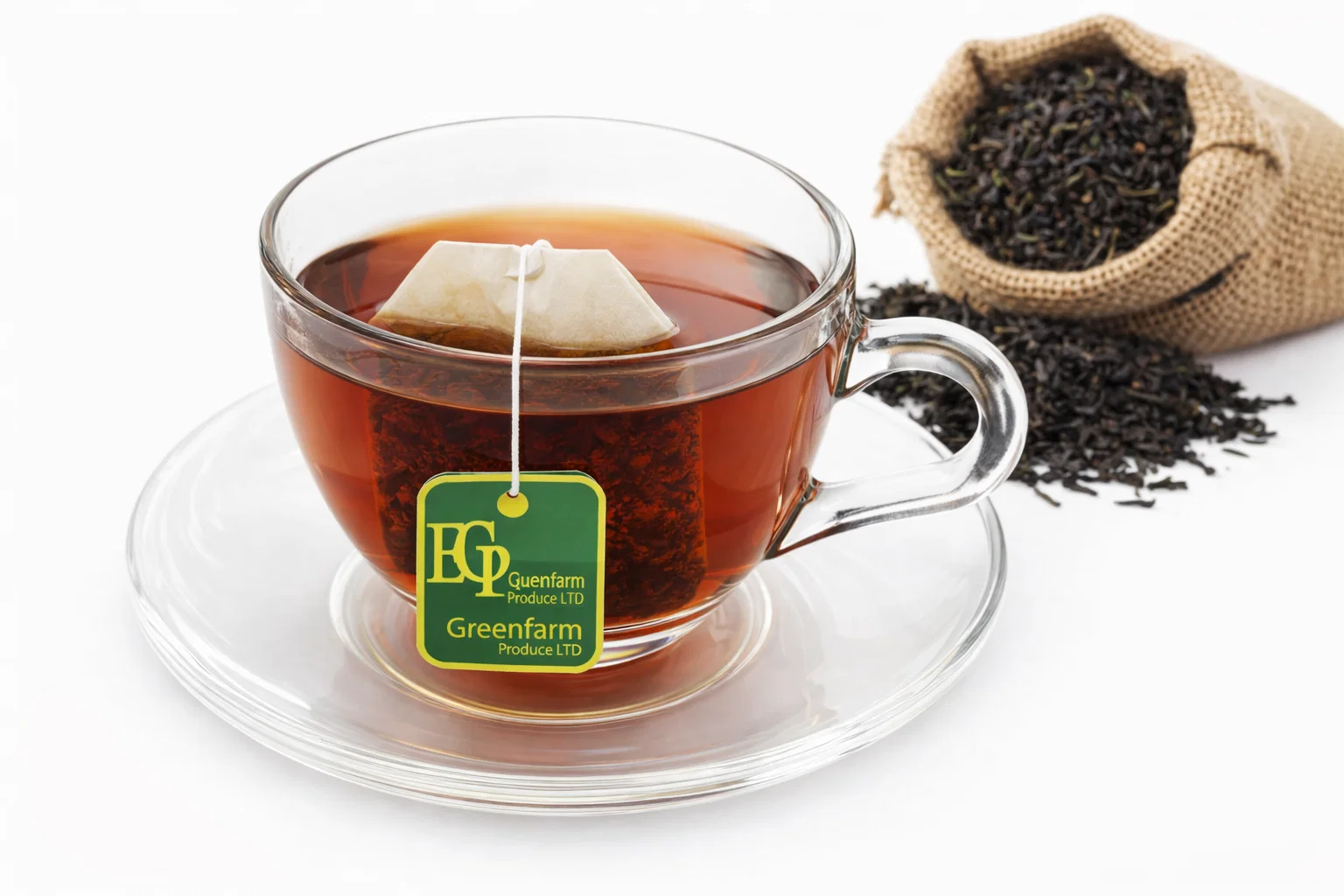
Black Tea
A unique polyphenol. Purple tea has substantially more polyphenols than green or black teas. (16.5 percent, compared to 10.1 percent for black tea and 9.1 percent for green tea). It also has a polyphenol called GHG that’s not found in other tea varieties. GHG may be the compound responsible for purple tea’s anti-obesity effects, which I’ll tell you about a little later.
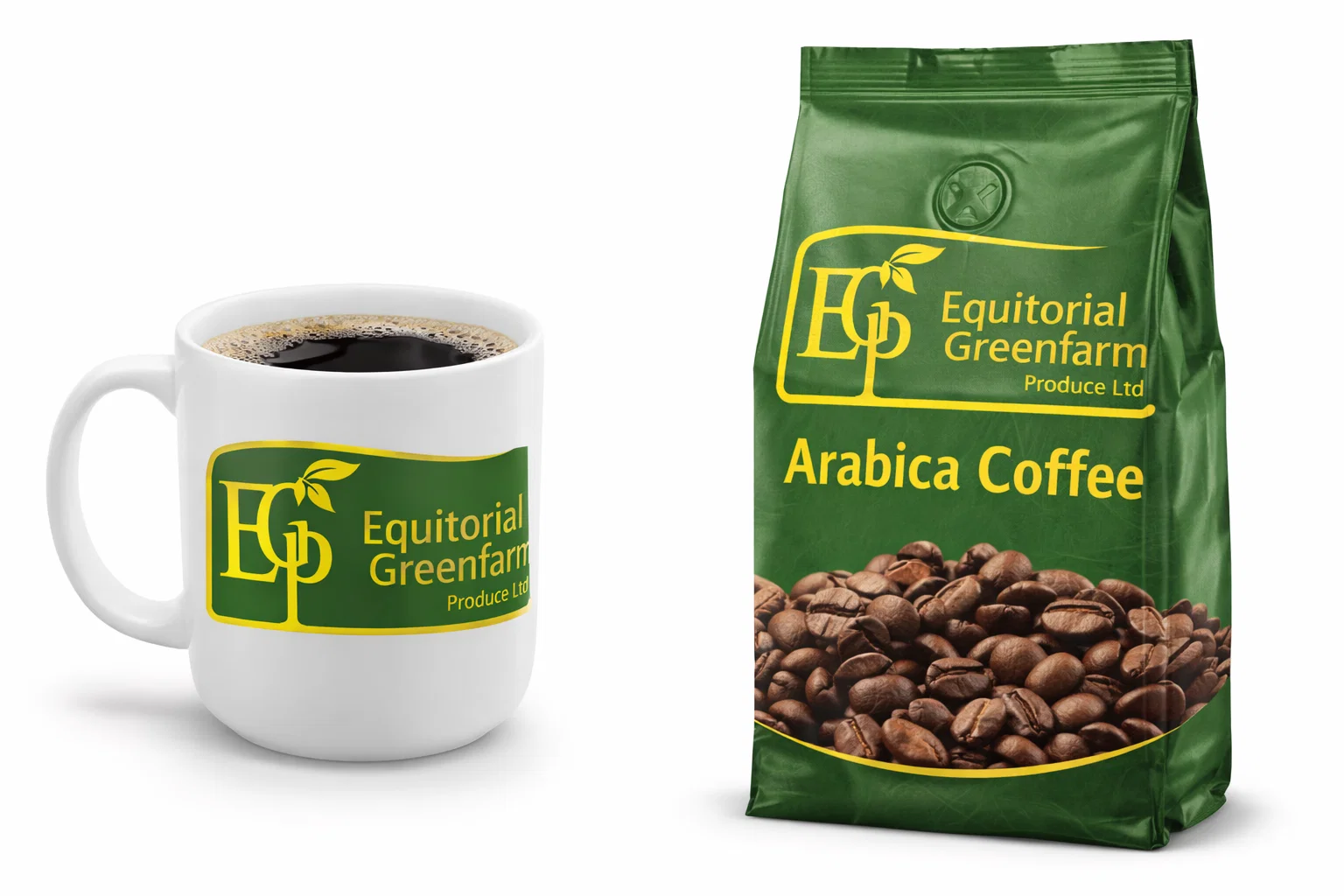
Coffee
Although coffee is referred to as a bean, it is actually the seed of a piece of fruit, known as a coffee cherry. They were termed 'beans', as they resemble the appearance of actual beans. ... After the 'beans' are dried, the unroasted product is called 'green coffee'.